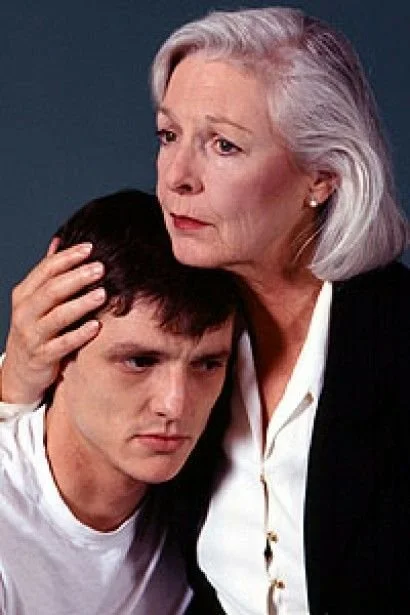
Dates: June 3–July 27, 2003
Opening Night: June 9, 2003
Role: Oswald Alving
Theater: Shakespeare Theatre Company, Washington, D.C.
Playwright: Henrik Ibsen
Adapted and Directed by: Edwin Sherin
Co-star: Jane Alexander
Credit: Alexander Pascal
Production note: Contemporary reviews confirm that Pedro spent approximately the final twenty minutes of the production nude, though much of the time his body was covered by blankets.
Plot
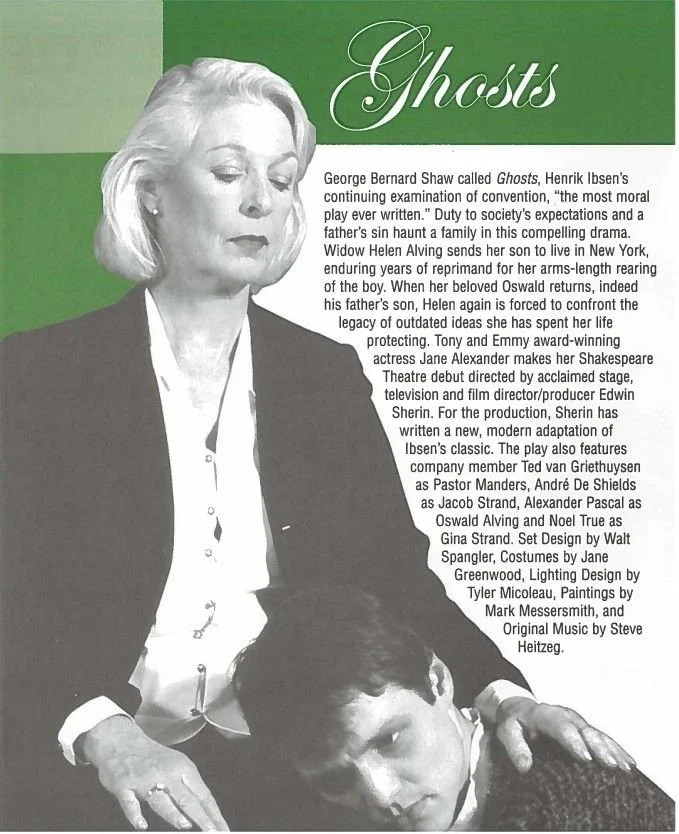
Henrik Ibsen’s Ghosts is a dark family drama about secrets, inherited consequences, social expectations, and the damage caused by keeping up appearances.
At the center of the story is Helen Alving, a widow who has spent years protecting the reputation of her late husband despite knowing the truth about his behavior. When her beloved son Oswald returns home seriously ill, the carefully constructed version of the family’s past begins to unravel.
The title’s “ghosts” are not supernatural. They are the beliefs, mistakes, secrets, and patterns of previous generations that continue to shape the lives of those who come after them.
Pedro as Oswald Alving
Pedro played Oswald Alving, Helen’s son and one of the central characters in the play.
For this production, director Edwin Sherin radically updated Ibsen’s original story. Instead of taking place in 19th-century Norway, the action was moved to a weather-beaten island off the coast of Maine in 1981.
Ibsen’s Oswald is a painter who has been living in Paris and returns home suffering from syphilis. In Sherin’s adaptation, Pedro’s Oswald was a contemporary artist living in SoHo in New York City who returns home suffering from AIDS, at a time when the disease was only beginning to emerge publicly.
Oswald’s artwork also became an important part of the production. Large, provocative nude paintings surrounded the Alving home and helped connect the play’s original themes of morality and censorship with debates surrounding art and sexuality in the early 1980s.
Production Notes
Ghosts closed Shakespeare Theatre Company’s 2002–2003 season and ran from June 3 through July 27, 2003.
The production marked Pedro’s Shakespeare Theatre Company debut.
He was credited in the production as Alexander Pascal, the professional name he was using during this period of his early career.
Pedro appeared opposite acclaimed actress Jane Alexander, who played his mother, Helen Alving. Alexander was already a Tony and Emmy Award winner and had previously served as Chair of the National Endowment for the Arts.
The production was adapted and directed by Alexander’s husband, Edwin Sherin, the acclaimed stage and television director who had also directed Alexander and James Earl Jones in the landmark original production of The Great White Hope at Arena Stage.
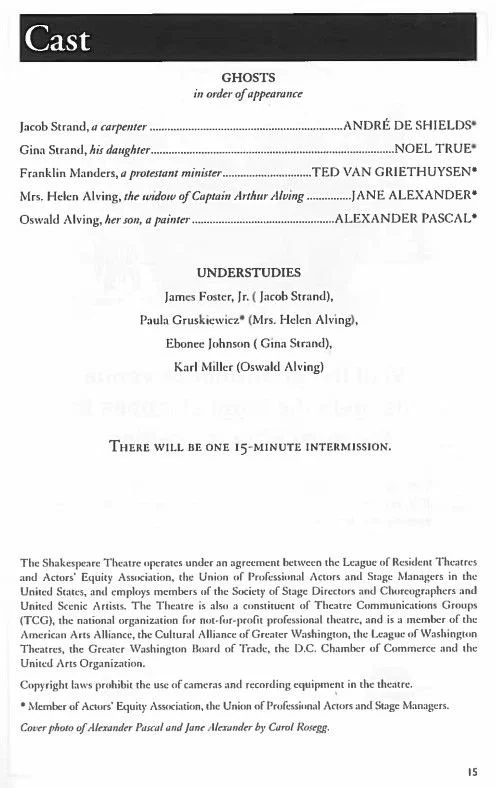
Cast
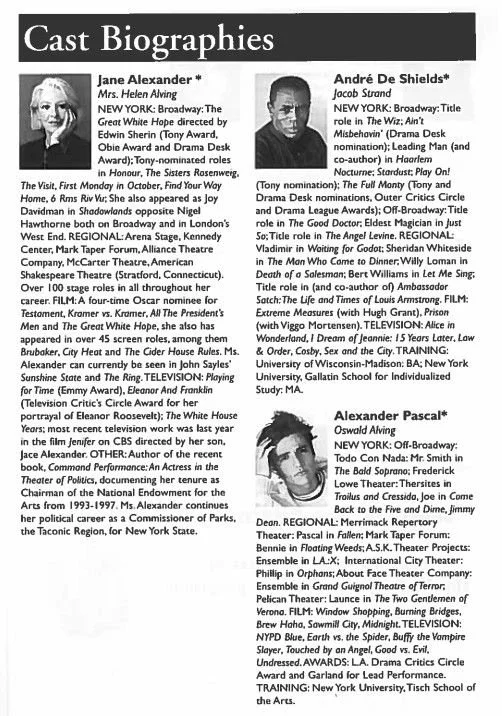
Alexander Pascal — Oswald Alving
Jane Alexander — Helen Alving
Ted van Griethuysen — Franklin Manders
André De Shields — Jacob Strand
Noel True — Gina Strand
Creative Team
Edwin Sherin — Adapter and Director
Walt Spangler — Scenic Design
Jane Greenwood — Costume Design
Tyler Micoleau — Lighting Design
Martin Desjardins — Sound Design
Steve Heitzeg — Original Music
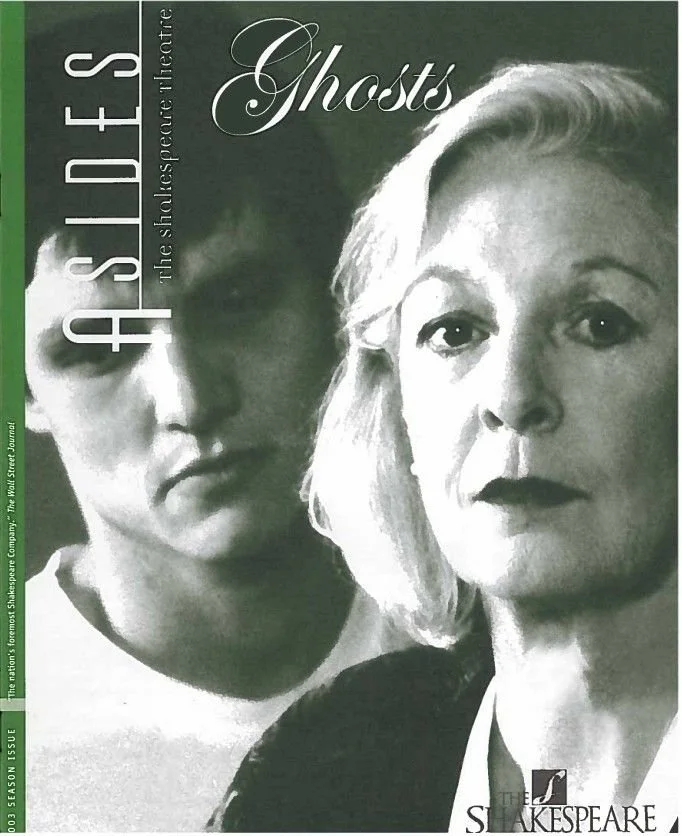
Ghosts
Production Photos
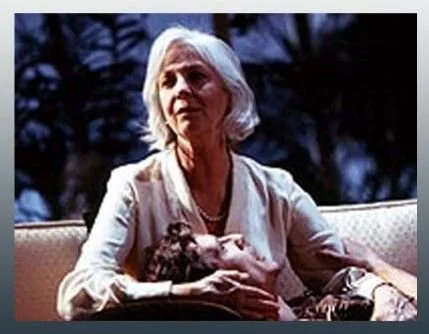
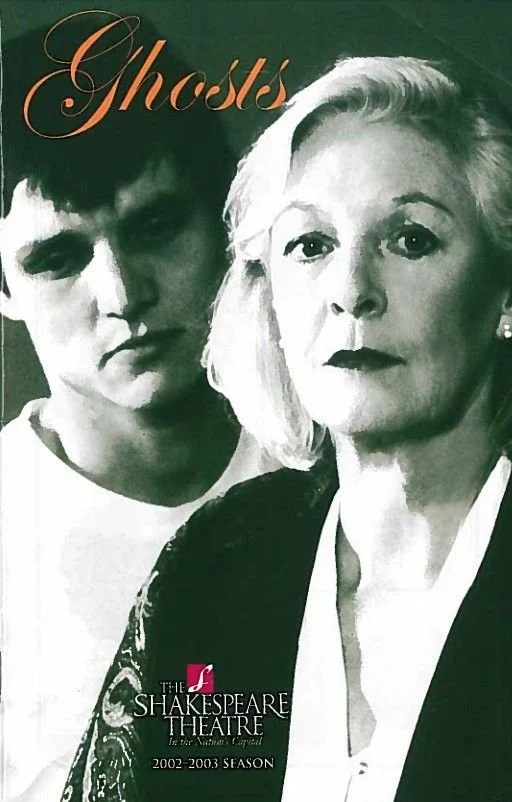
Review
Variety
In its June 25, 2003 review, Variety was critical of some aspects of Edwin Sherin’s modernized adaptation, but praised Pedro’s performance as Oswald.
The review described Oswald as “sensitively played by Alexander Pascal” and noted that the audience is able to empathize with his plight. The comment is particularly notable because Oswald carries much of the production’s emotional weight as his illness worsens and his relationship with his mother moves toward the play’s devastating conclusion.
Peter Marks — The Washington Post, June 9, 2003
Washington Post theater critic Peter Marks gave the production itself a mixed review, taking particular issue with some of Edwin Sherin’s changes to Ibsen’s original play.
Pedro’s performance, however, received positive notice.
Marks described the production as revolving around the relationship between Helen and her seriously ill son Oswald, calling Pedro’s work:
“an effective performance by Alexander Pascal”
The review noted that Pedro’s Oswald was portrayed as a tortured young artist returning home from the SoHo art world and emphasized that his relationship with Helen occupied the center of the production.
Marks was less convinced by the adaptation’s decision to replace Oswald’s inherited syphilis with AIDS, arguing that the change altered one of Ibsen’s central ideas about children inheriting the consequences of their parents’ actions. His criticism, however, was directed toward the adaptation rather than Pedro’s acting.
The Art of Oswald
One of the production’s most unusual features was the collection of enormous paintings attributed to Pedro’s character.
Director Edwin Sherin commissioned artist Mark Messersmith to create the works. Messersmith enlarged figure studies into approximately six-foot canvases depicting nude figures, which were displayed throughout Walt Spangler’s expansive set.
A later Washington Post feature focused specifically on the paintings and their role in the production.
The provocative artwork served a larger purpose in Sherin’s adaptation. Oswald became a contemporary artist whose work was judged as obscene by the conservative Reverend Manders, creating a debate about censorship, morality, and who gets to decide what qualifies as art. https://www.washingtonpost.com/archive/lifestyle/2003/07/18/the-art-of-the-matter
Support the Stage
Before the screens, there was the stage. Regional and nonprofit theaters gave Pedro places to learn, experiment, take risks, and build the career we celebrate today.
If you enjoyed discovering this part of his story, consider supporting the theater that helped make it possible, whether that means seeing a show, making a donation, becoming a member, or simply following and sharing their work.
Support live theater. It gave us Pedro.